Hey techies, if you’ve been hustling in Nigeria’s digital space for any length of time, especially if you’re a freelancer, you’ve probably got a story to tell about Paypay’s infamous restrictions. And for years make that decades, Nigerians could sign up for accounts, but actually receiving money or pulling funds out locally? Forget about it. It was like being invited to a party but not allowed to eat the food. Well, that’s changing big time. As of this week, PayPal has officially rolled out full operations in Nigeria through a game-changing partnership with local fintech powerhouse Paga. This isn’t just a tweak; it’s a full re-entry that’s got everyone from freelancers to e-commerce sellers buzzing. I’ve dug into the details from recent announcements and chats with industry insiders, and here’s the full scoop on what happened, why now, and what it means for you.
Table of Contents
The Backstory: Two Decades of Frustration and Workarounds
Let’s rewind a bit. PayPal first hit the scene globally in the late ’90s, but by around 2004, it slapped heavy restrictions on several African countries, including Nigeria. The official line was concerns over fraud, stolen credit cards, and regulatory hurdles—issues that were rampant back then in emerging markets. medium.com +1 Nigerians could send money out, sure, but incoming payments? Nope. And withdrawals to local banks? Dream on. This meant freelancers on platforms like Upwork or Fiverr had to jump through hoops, using VPNs, setting up accounts in other countries, or relying on middlemen who took hefty cuts. It wasn’t just inconvenient; it cost the economy billions in lost opportunities. Remittances alone, which hit over $20 billion annually into Nigeria, were funneled through pricier alternatives like Western Union or bank wires.
For context, this lockdown lasted about 22 years if you count from 2004 to now in 2026. Some reports peg it at “over a decade” or “two decades,” but the pain points were consistent: no inbound payments for personal accounts, no direct Naira withdrawals, and limited card compatibility. cardtonic.com +1 PayPal did dip its toes back in 2014 with some basic signup options, but it was half-hearted—still no receiving funds without workarounds. Fast forward to 2025, and whispers started about PayPal eyeing Africa again, especially as local fintechs like Flutterwave and Paystack exploded onto the scene. But it took until this month for the real breakthrough.
The Big Announcement: Paypay Teams up with Page
On January 27, 2026, PayPal announced a partnership with Paga to enable full inbound payments and local withdrawals. nairametrics.com +1 Paga, for those not in the know, is one of Nigeria’s OG fintech players, founded back in 2009 with over 21 million users and a network that spans airtime top-ups, bill payments, and money transfers.
They’re basically the M-Pesa of West Africa, deeply embedded in everyday transactions.
Here’s how it works: Nigerian users can now link their PayPal accounts directly to their Paga wallets. Receive bucks from abroad? It lands in PayPal, then seamlessly transfers to Paga for Naira withdrawals at ATMs, agents, or directly to your bank. No more holding funds for 180 days or dealing with frozen accounts. technext24.com +1 This is huge for the diaspora—Nigerians in the US, UK, or Europe can send money home faster and cheaper. Fees? Expect them to be competitive, around 1-3% plus forex rates, way better than the 7-10% gouge from traditional services.
Why Paga? It’s a smart pick. PayPal tried partnering with them 13 years ago but got turned down now, roles reversed, Paga’s local expertise handles compliance, KYC (know your customer), and anti-fraud measures that scared PayPal off before.
Nigeria’s Central Bank has beefed up regs too, with better fraud controls and digital currency frameworks, making it safer for global players. Plus, Africa’s digital payments market is exploding—projected at $5 billion in Nigeria alone this year—so PayPal wants a slice.
What This Means for Nigerian Users and Businesses
For everyday folks, this is a win. Freelancers, content creators, and online sellers can finally get paid directly without shady intermediaries. Imagine exporting handmade crafts via Etsy and cashing out same-day—no more waiting weeks for checks. E-commerce? Platforms like Jumia or Konga could integrate PayPal more deeply, boosting cross-border sales. On the business side, it’s a boost for startups. Paga’s 21 million users get instant access to PayPal’s global network, potentially adding millions of transactions.
But not everyone’s cheering. Some Nigerians are salty after years of exclusion. Why trust PayPal now? Social media lit up with memes about “too little, too late,” and fears of sudden policy flips. medium.com +1 Fair point; PayPal’s got to prove it’s in for the long haul.
Challenges ahead? Forex volatility and Nigeria’s Naira fluctuations could complicate conversions. While fraud risks are lower, they’re not zero; users should enable two-factor authentication and monitor accounts closely. PayPal’s also hinting at more African expansions, maybe Ghana or Kenya next, but Nigeria’s the test bed. Looking Ahead: A New Era for Fintech in Africa? This partnership signals PayPal’s shift from caution to ambition in Africa. By leaning on local partners like Paga, they’re choosing predictability over total control, a savvy move in a market where homegrown fintechs rule.
It could spark more global-local tie-ups, like Stripe’s partnership with Chipper Cash or Visa’s partnerships with more African banks. If you’re in Nigeria, head to PayPal’s site or Paga’s app to link up; it’s live now. Pro tip: Verify your ID docs first to avoid hitches.
Potential Drawbacks and What to Watch For:
Look, no partnership is perfect, especially one involving a giant like PayPal with its baggage in Nigeria. While the Paga tie-up opens doors, early users are already hitting snags, and the history here raises eyebrows. Here’s what Nigerians should keep an eye on, based on fresh reports and user experiences:
- Account Bans and Suspensions Happening Fast: This is the big one mentioned; people are getting their new PayPal accounts deactivated almost immediately after signing up or linking to Paga. On X, folks like video editor @Fixlivez shared screenshots showing instant blocks, claiming it’s still not reliable for receiving funds. @Fixlivez Another user, software engineer @tuhamworld, said his business account got locked in January 2026 with no clear explanation, leaving money frozen. @tuhamworld This ties back to PayPal’s old fraud-detection algorithms, which flag Nigerian IPs or quick withdrawals as suspicious. If you’re rushing to sign up, hold off—test with small amounts first, and make sure your KYC docs (like BVN, ID, and address proof) are airtight. Past patterns show these bans can last weeks or months, with appeals going nowhere. weetracker.com +1
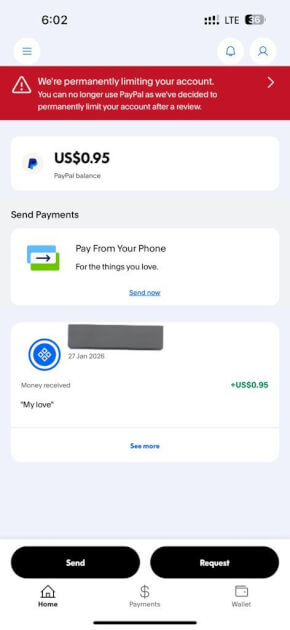
2. Lingering Fraud Stigma and Strict Scrutiny: PayPal’s whole reason for the 20+ year restrictions was fraud fears—think stolen credit cards routed through Nigerian networks back in the day. techmoonshot.com +1 Even with Paga handling compliance, that bias might stick. Users could face random holds on funds (up to 180 days in some cases) or extra verification hoops. One Facebook thread pointed out that withdrawing funds too quickly after receiving them triggers flags, which feels like punishment for legit hustlers. facebook.com It’s frustrating because Nigeria’s fintech scene has cleaned up a lot, but PayPal might still treat us like high-risk by default.
3. Fees That Add Up and Hidden Costs: Don’t sleep on the charges. PayPal’s transaction fees can reach 3.49% plus fixed costs for international receipts, and Paga might tack on its own withdrawal fee (around 1-2% to banks or agents). supportdesk.alboompro.com Forex conversions could eat into your Naira too, especially with our volatile rates. Compared to local options like Paystack or Flutterwave, this might not always be the cheapest route for freelancers or small businesses. Plus, if an account gets frozen, you’re out the money temporarily—no interest, no recourse.
4. Dependency on Paga and Potential Bottlenecks: Everything funnels through Paga, which is great for local integration but creates a single point of failure. If Paga has downtime (they’ve had glitches before) or hikes fees, you’re stuck. Some see this as PayPal dodging direct responsibility—using Paga as a buffer for complaints or regs. @Braithee And let’s be real, not everyone has a Paga account yet; setting one up adds another layer of hassle.
5. Privacy Concerns and Data Sharing: Linking PayPal to Paga means your transaction data bounces between two companies. PayPal’s known for its tight privacy policies, but in Nigeria, where data breaches are common, this could expose you to risks. There’s also chatter about PayPal pushing its stablecoin PYUSD through this—some say the real motive is crypto expansion, not just inclusion, which might lead to more upsells or tracking. facebook.com
6. Boycott Backlash and Trust Issues: The online vibe is mixed—plenty of Nigerians are calling for a full boycott, saying PayPal caused too much pain (lost gigs, frozen funds) over the years to deserve a second chance. Users like @Braithee vented hard, calling it a “joke” after decades of mistreatment. @Braithee This could hurt adoption; if enough people skip it, the partnership fizzles. On the flip side, some like @D1juny argue it’s progress despite the emotions, but admit the anger is valid. @D1juny
7. Risk of Policy Flip-Flops: PayPal’s got a track record of changing rules overnight—remember how they eased up in 2014 only to tighten again? techmoonshot.com With global regs shifting (or Nigeria’s economy wobbling), they could pull back features or add more limits. Early adopters might be guinea pigs here.
In Conclusion: Approach with caution. Start small, use two-factor auth, and have backups like Wise or local fintechs ready. If a ban hits, document everything and appeal through Paga first—they’re the local lifeline. This deal could be a net positive for cross-border flows, but until PayPal proves it’s changed, keep expectations realistic. What do you think—worth the risk for your hustle?
Got stories about old PayPal woes or excitement for this? Drop ’em in the comments or hit me on X at @Anuoluwaposisi.